There’s a quiet truth that most people don’t talk about enough when it comes to life after 65: that the relationships you build—neighbors who become friends, familiar faces at the dinner table, a person who saves you a seat at the lecture—can be just as important to your health and happiness as anything else.
Making friends later in life is something many people find surprisingly challenging, even if they were naturally social earlier in their years. The structures that once created community organically through work, school, and raising children in a neighborhood often fall away. Without those built-in touchpoints, social connection requires a little more intention. What replaces those structures matters enormously.
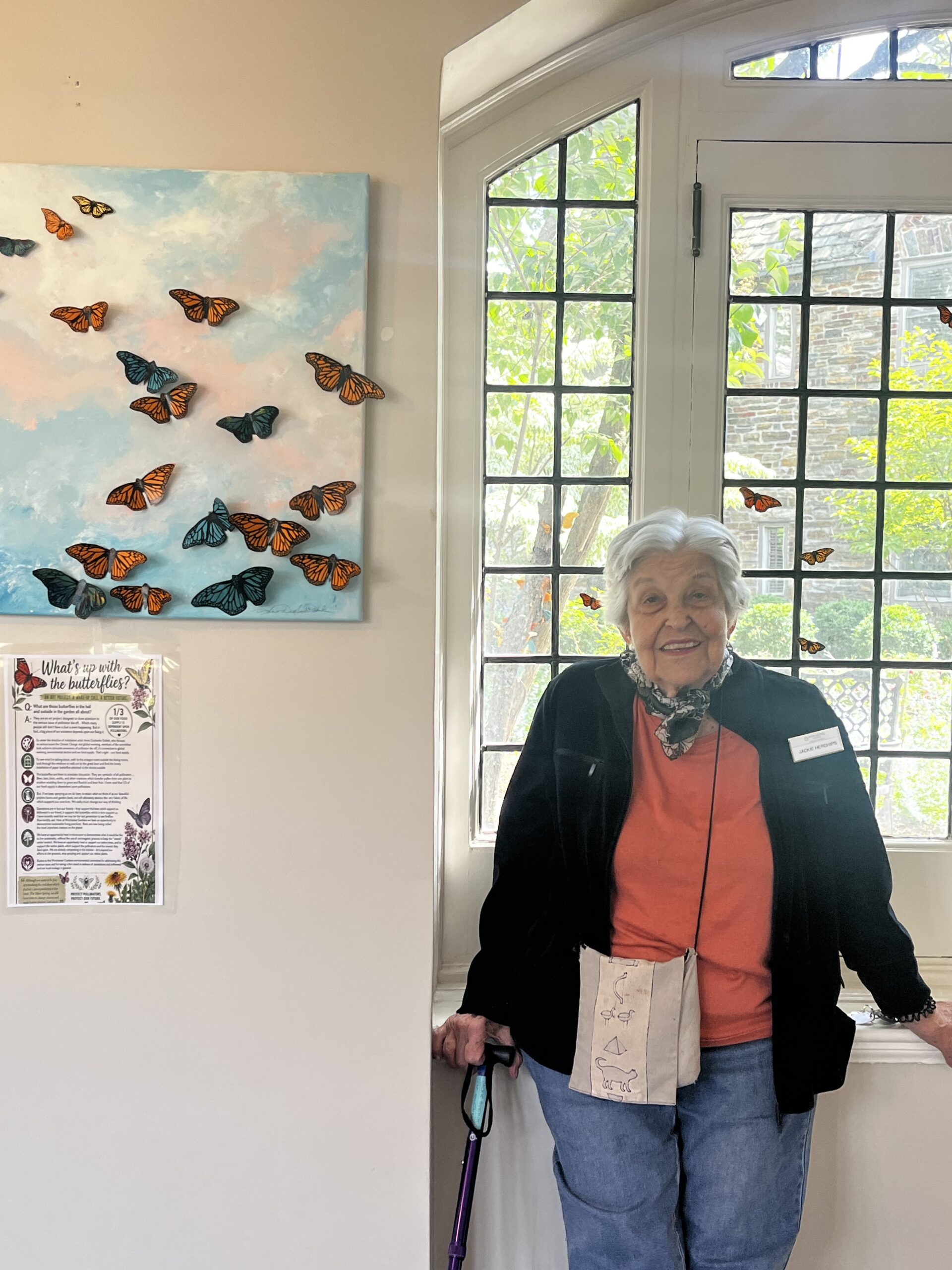
At Winchester Gardens, a Springpoint Life Plan Community in Maplewood, NJ, connection isn’t left to chance. It’s woven into the very fabric of daily life. Here’s a closer look at how meaningful friendships flourish and how you can cultivate them.
Why Friendship Matters More Than Ever After 65
The science is clear: loneliness and social isolation carry real health consequences, including increased risk of cognitive decline, depression, and cardiovascular issues. But the flip side is equally compelling. Older adults who maintain strong social connections report better sleep, sharper minds, and a more positive outlook on life.
This is one reason why choosing the right living environment is such a meaningful decision. It’s not just about comfort or convenience; it’s about the kind of life you want to be living.
How to Make Friends as an Adult: What Actually Works
If you’ve ever wondered how to make friends as an adult—especially after major life transitions like retirement—you’re far from alone. It’s one of the most common concerns people have as they enter this new chapter, and it’s worth addressing honestly.
The most important thing to know is this: friendships rarely happen by accident. They grow from shared experiences, repeated contact, and a little bit of intentional effort. Here are some of the most effective strategies.
- Say yes to the small things. A casual cocktail hour, a walking group, or a movie night are great options. These low-stakes gatherings are often where the best friendships begin. You don’t need a deep conversation on day one. Proximity and consistency do a lot of the heavy lifting.
- Join social groups that match your interests. There’s a reason clubs and classes are so reliably effective at fostering friendship. When you’re doing something you love alongside people who feel the same way, conversation flows naturally. From art and culture clubs to lifelong learning lectures, Winchester Gardens offers a wide range of programming and social groups specifically designed to bring like-minded residents together.
- Embrace the outdoors together. Shared outdoor spaces have a wonderful way of opening people up. Something about fresh air and a little sunlight makes conversation easier. At Winchester Gardens, beautifully landscaped walking paths and a beloved on-site greenhouse give residents natural gathering places throughout the seasons.
- Try something new. Stepping outside your comfort zone puts you in a beginner’s mindset, which is one of the best mindsets for making friends. When everyone in the room is learning something for the first time, the playing field is level, and the atmosphere is warm.
- Volunteer or contribute. People who give their time to shared causes tend to form some of the strongest bonds. Whether it’s helping organize a community event, participating in a wellness program, or simply being the person who checks in on a neighbor, acts of contribution build a sense of belonging.
Why Making Friends After Retirement is Different and How to Navigate It
Making friends after retirement comes with its own unique set of dynamics. For many people, a career provided not just a paycheck but also a ready-made social world, including colleagues, collaborators, and work friendships that spanned decades. Retirement, as wonderful as it is, can quietly remove that scaffolding overnight.
The key is to replace passive social structures with active ones. Rather than waiting for a connection to find you, seek out environments where it’s built in. A community like Winchester Gardens does exactly that through our programming, shared spaces, and the rhythm of daily life, all of which create conditions where friendships can take root and grow without forcing anything.
It also helps to give yourself grace. Making friends after retirement may feel slower or different than it did earlier in life, and that’s completely normal. Meaningful connections take time, but in the right environment, they tend to happen more naturally than you’d expect.
Retirement Activities That Double as Connection Builders
One of the most underrated truths about retirement activities is that the best ones aren’t just good for your body or your mind—they’re good for your social life, too. Here’s a look at some of the activities that tend to bring people together most naturally at Winchester Gardens.
- Gardening: Whether it’s tending to an outdoor greenhouse, container gardening on a patio, or trading tips about the best plants for a sunny windowsill, gardening has a way of sparking conversation without any pressure. It’s one of those retirement activities where the shared interest does the social work for you.
- Fitness and Wellness Classes: Group exercise naturally builds camaraderie. Water aerobics, yoga, and walking clubs all create a rhythm of seeing the same faces, which is the foundation of any friendship.
- Arts and Culture: Painting classes, music appreciation, lecture series on history or current events—creative and intellectual pursuits attract curious, engaged people, and curious, engaged people tend to make wonderful friends.
- Dining Together: Communal meals are one of the oldest forms of human connection. The dining experience at Winchester Gardens is something residents genuinely look forward to: good food, good company, and the kind of unhurried conversation that’s harder to find elsewhere.
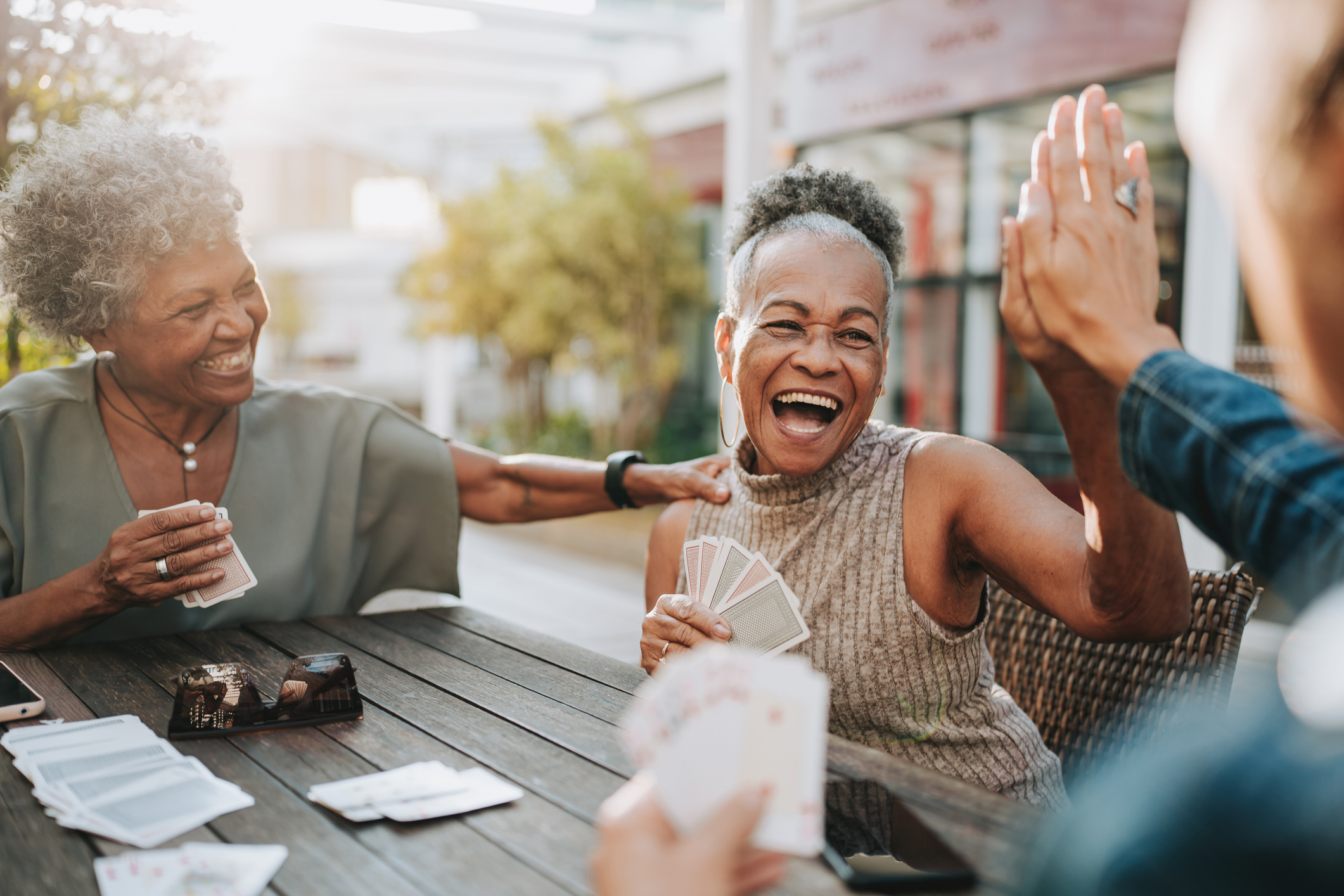
- Community Events: From the popular Cocktails and Conversation evenings to seasonal celebrations, shared events give residents a reason to come together, dress up a little, and enjoy each other’s company. Check the upcoming events calendar to see what’s on the horizon.
The Role of Social Groups in Building Belonging
Structured social groups are among the most powerful tools for building a genuine sense of belonging, particularly for people who are new to a community or naturally more introverted. They remove the pressure of initiating by giving everyone a shared purpose and a ready-made reason to show up.
At Winchester Gardens, residents have access to a wide variety of social groups and clubs, from art and culture circles to wellness workshops to lifelong learning communities. These aren’t passive activities. They’re the kinds of groups where inside jokes develop, where someone remembers your birthday, where a friendly face turns into a phone call, and then into a friendship that feels like it’s been there for years.
The services and amenities at Winchester Gardens are thoughtfully curated with exactly this in mind, not just to fill a calendar, but to create the conditions for real, lasting connection.
Your Next Chapter Can Be Your Most Connected One
If you’re exploring what community life could look like—for yourself or someone you love—we’d invite you to learn more about Winchester Gardens. You might also enjoy reading A Local Guide to Maplewood, NJ, because the vibrant town surrounding Winchester Gardens is itself a wonderful source of community, culture, and social connection.
Friendship after 65 isn’t just possible. In the right community, it can be one of the richest, most rewarding connections of your life. For those navigating the question of how to make friends as an adult in this season of life, the answer often starts with simply being somewhere that makes it easy to do so. Schedule a visit to Winchester Gardens and see for yourself what a warm, connected community life really feels like.